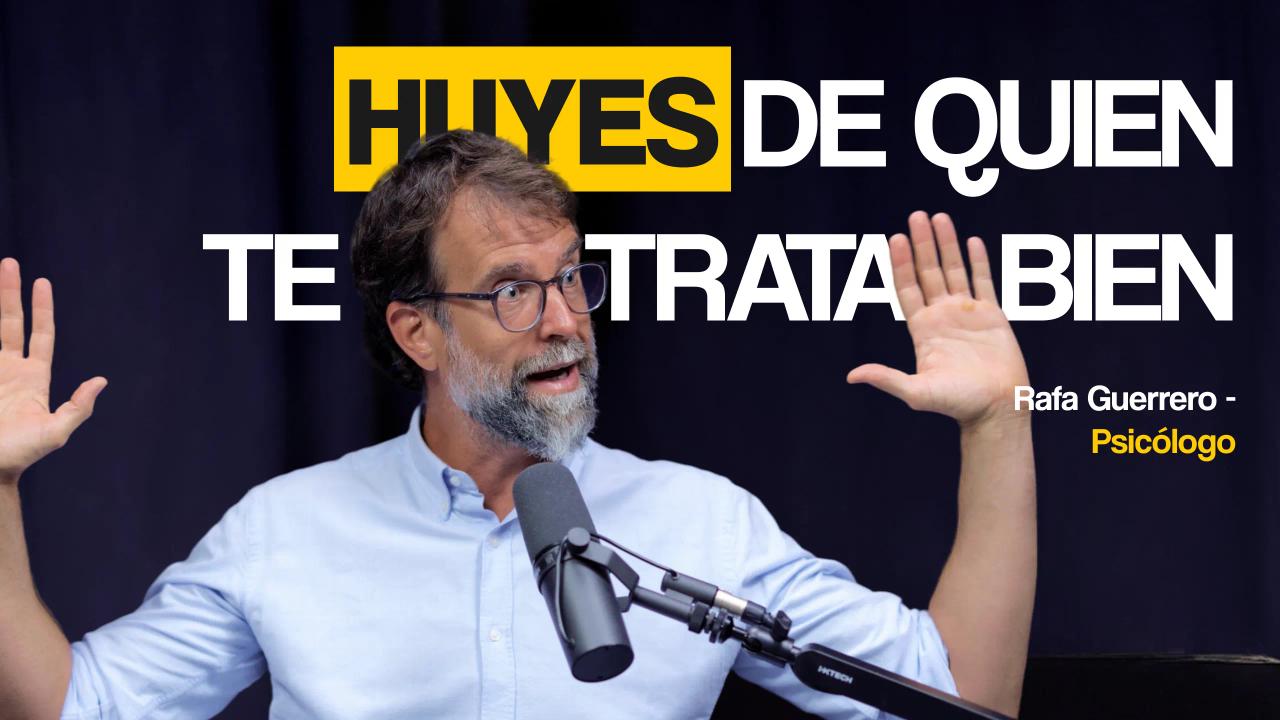
Why YOU DON'T KNOW HOW TO LOVE, use ADDICTIONS to ESCAPE and are AFRAID of HEALTHY LOVE | Rafa Guerrero
"Healthy love is boring." "It doesn't have to be." Rafa Guerrero has spent more than a decade sitting across from children, teenagers and adults who repeat the same pattern without understanding why. His thesis is an uncomfortable one: you don't choose badly by chance, you choose what feels familiar. And for a lot of people, what's familiar hurts. In this episode he takes apart the difference between attachment and love, explains the four types of bond that form before the age of six, and why only half the population has a secure attachment. He also says things that are going to bother people: that overprotection isn't love but the adult's own fear, that addiction isn't the problem but the solution someone found, and that porn for a 14-year-old kid is a crutch before it's a vice. Álvaro pushes back more than once. Rafa doesn't budge. — The 4 attachment styles: secure, anxious-ambivalent, avoidant and disorganized — Why we always choose the same kind of partner who hurts us — Avoidant attachment: what happens when someone runs from commitment — The difference between attachment, love, bonding and dependency — Overprotecting children: a parent's fear disguised as affection — Conditional vs. unconditional love in parenting — Transgenerational trauma: how we repeat what was done to us — Gaslighting and triangulation in family relationships — Addictions without a substance: screens, porn, social media — Silent depression: why the person who seems fine is the one doing worst — Teenagers who don't want to go to therapy: how to get through to them — The "snowflake generation": what's really underneath the label — How long a psychotherapy process really takes — EMDR: what it is and what trauma reprocessing is for — Three keys to building a healthy bond with your child
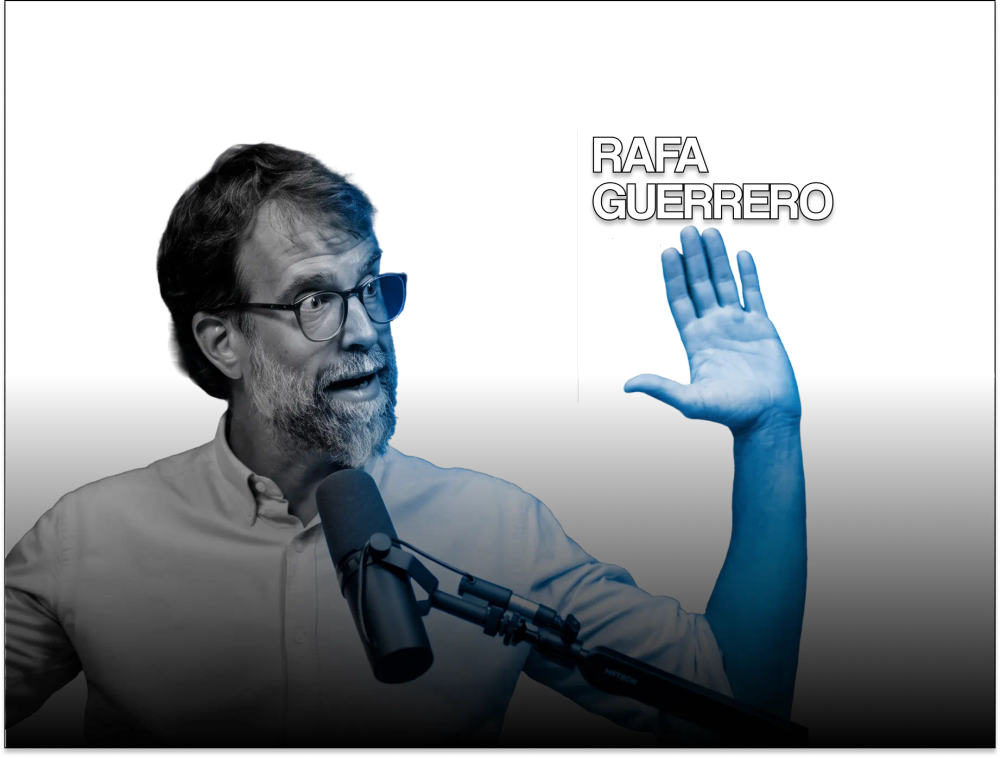
Rafa Guerrero
Psychotherapist and psychologist, author of 12 books. Specializing in attachment and trauma, he works with children, teenagers, adults and families. His latest book is about screen addiction. He grew up in a childhood he himself describes as deeply traumatic, marked by loneliness and emptiness, and he maintains that it is precisely that story that led him to devote himself to psychology and to bringing it to a wider audience.
Recommended
episodes
 #42
Carolina López-Tejero
 #41
Juan Carlos Soldado
 #40
Sergio Arjona
 #39
Ex-Senadora y experta en Biohacking
 #38
Alvaro Núñez
 #37
Juanma García
 #35
CEO "Tu Oro Vale Más"
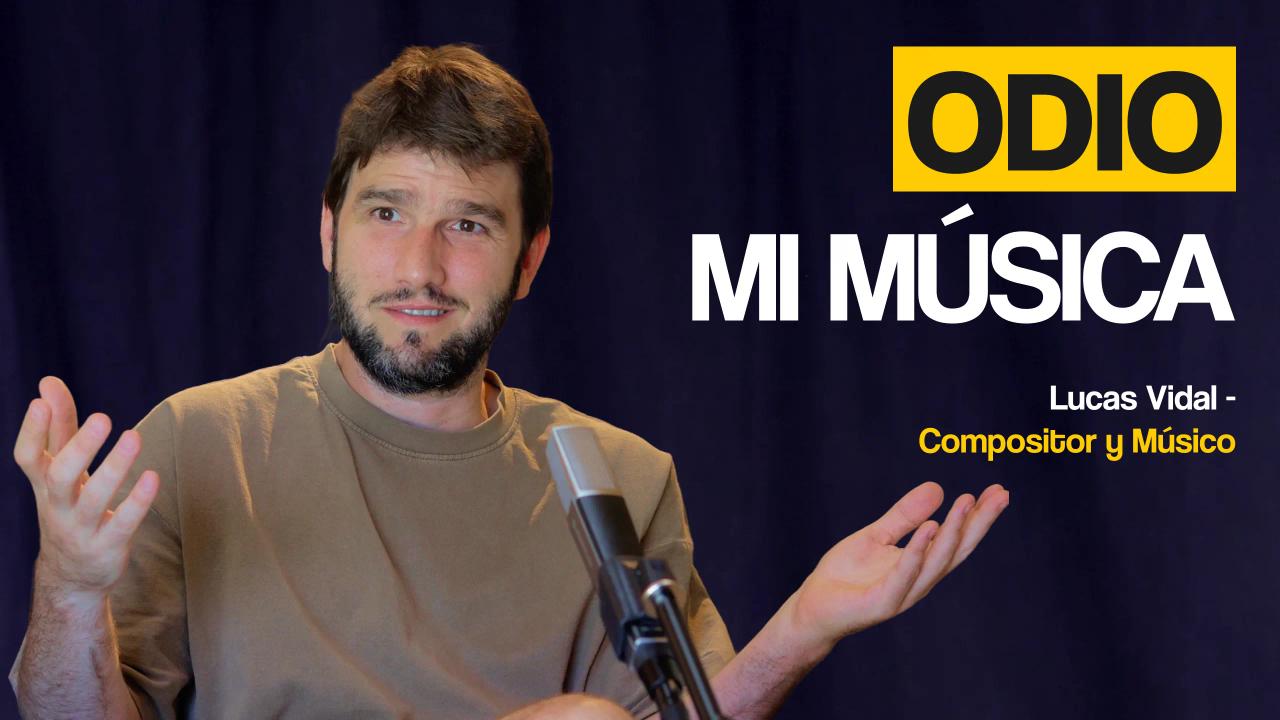 #34
Lucas Vidal
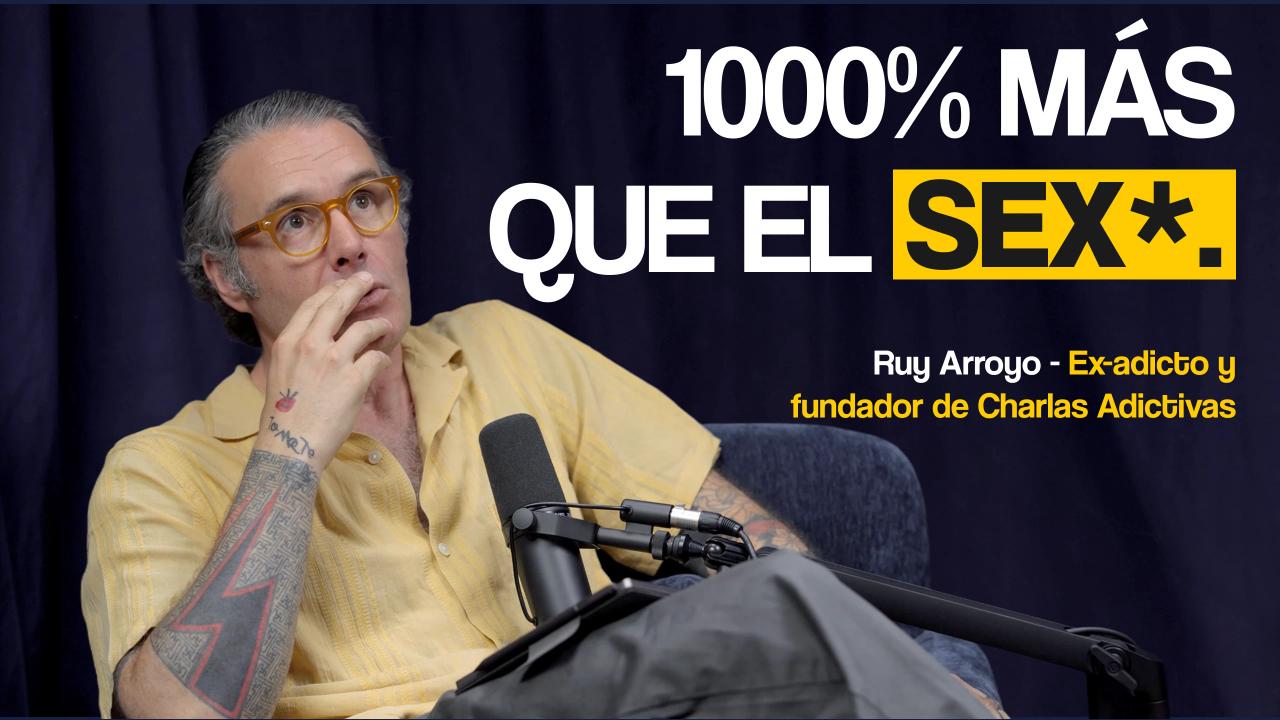 #33
Ruy Arroyo
 #32
Mapi Hermida
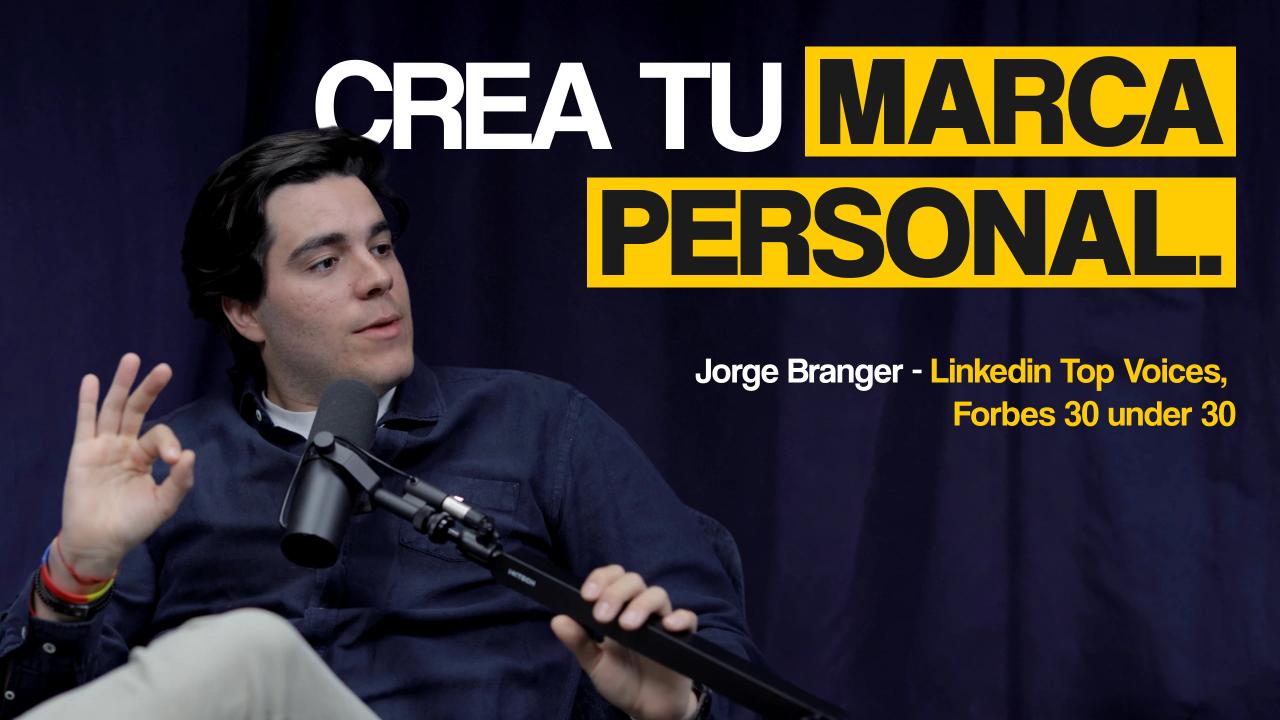 #31
Jorge Branger
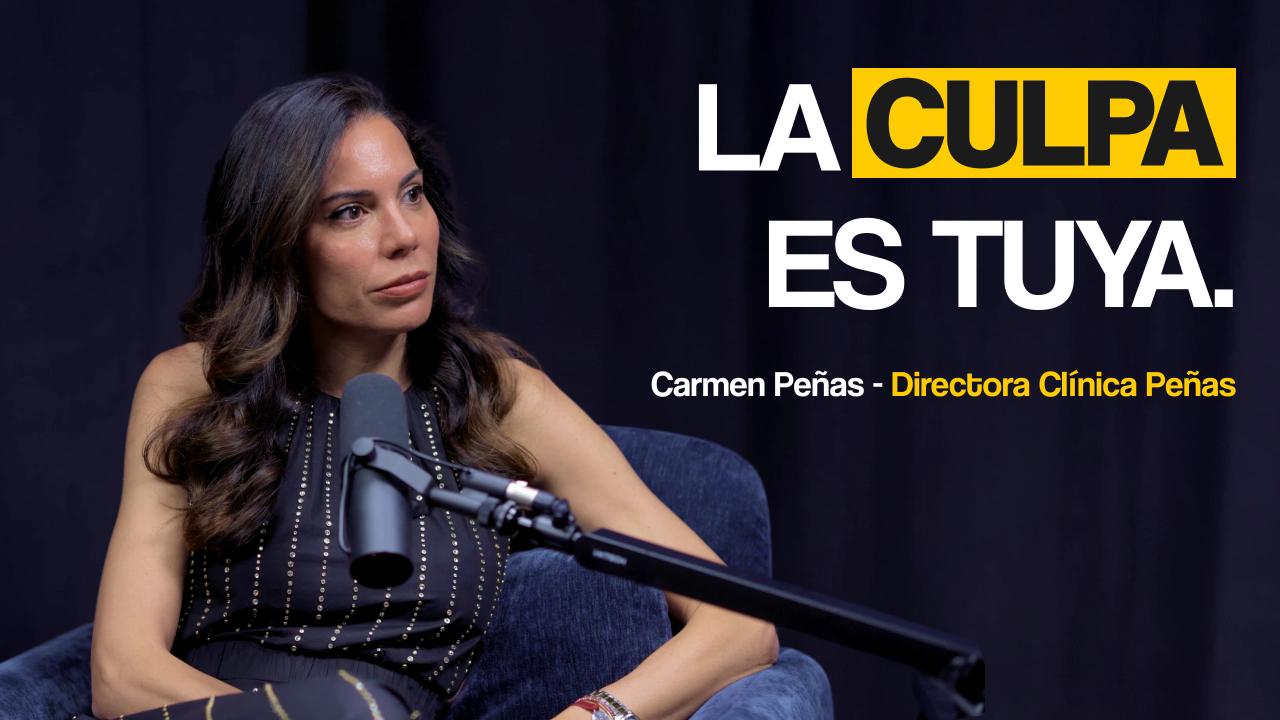 #30
Carmen Peñas
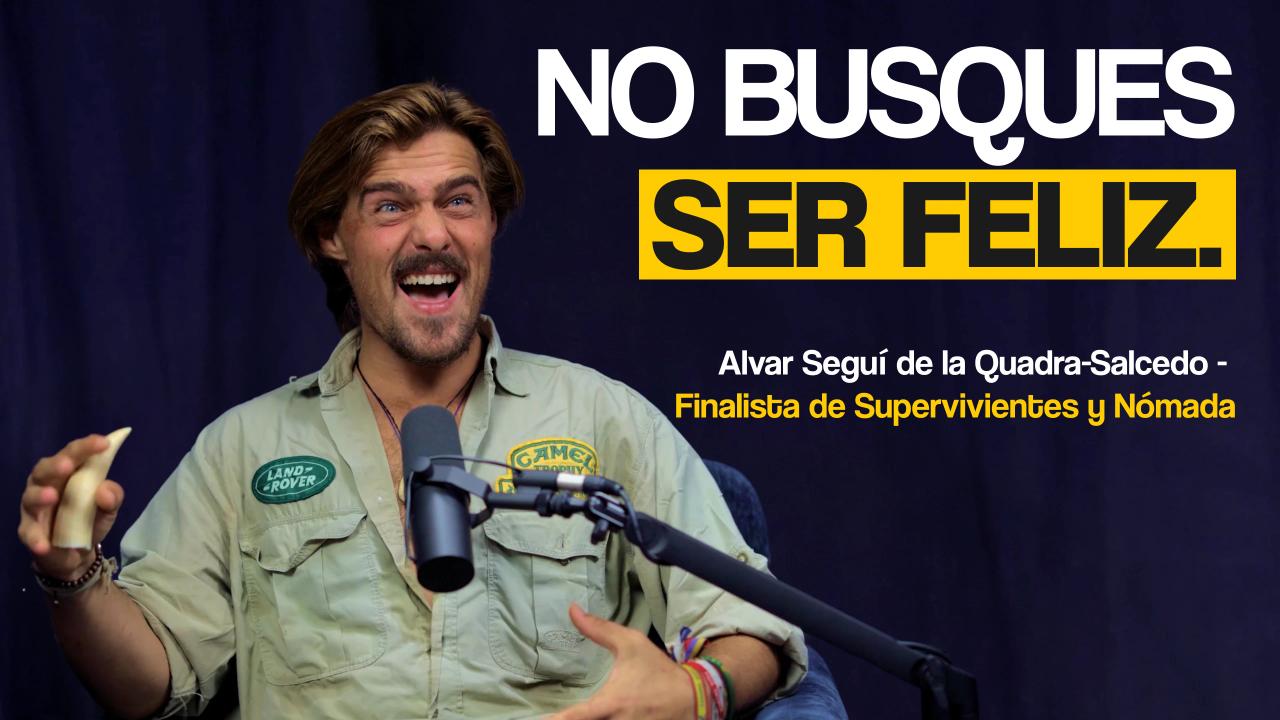 #29
Alvar Seguí
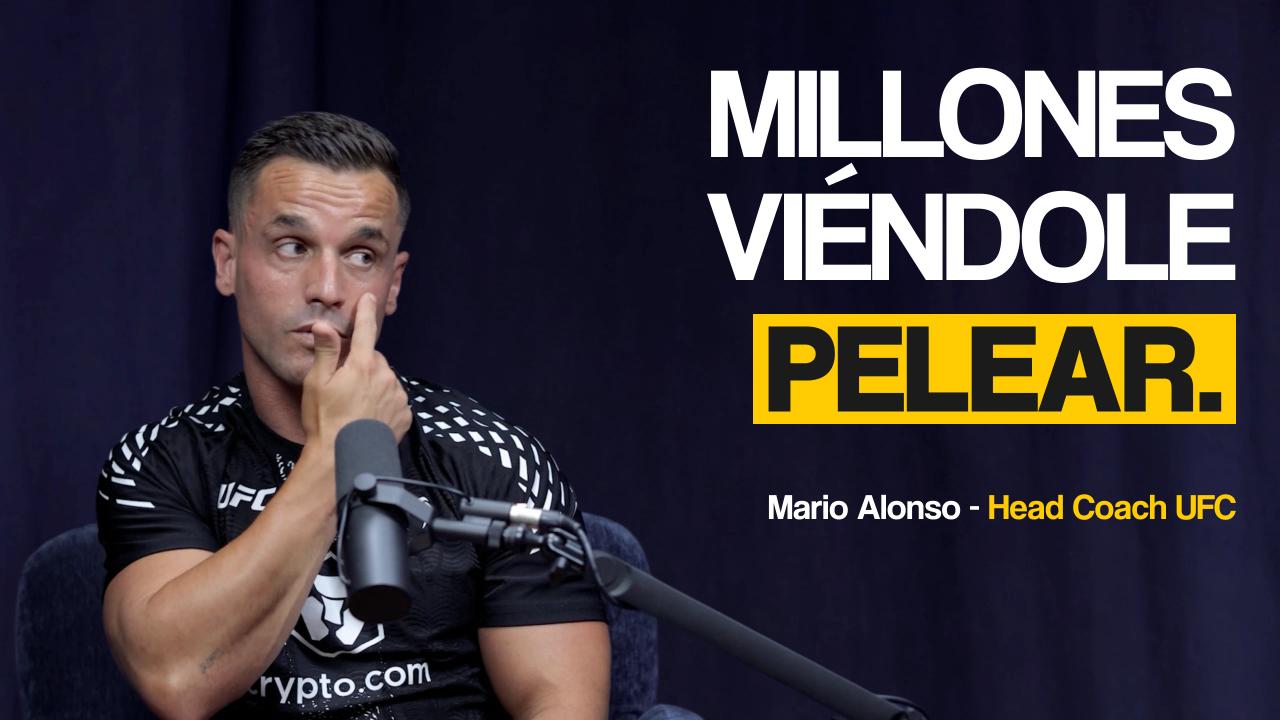 #28
Mario Alonso
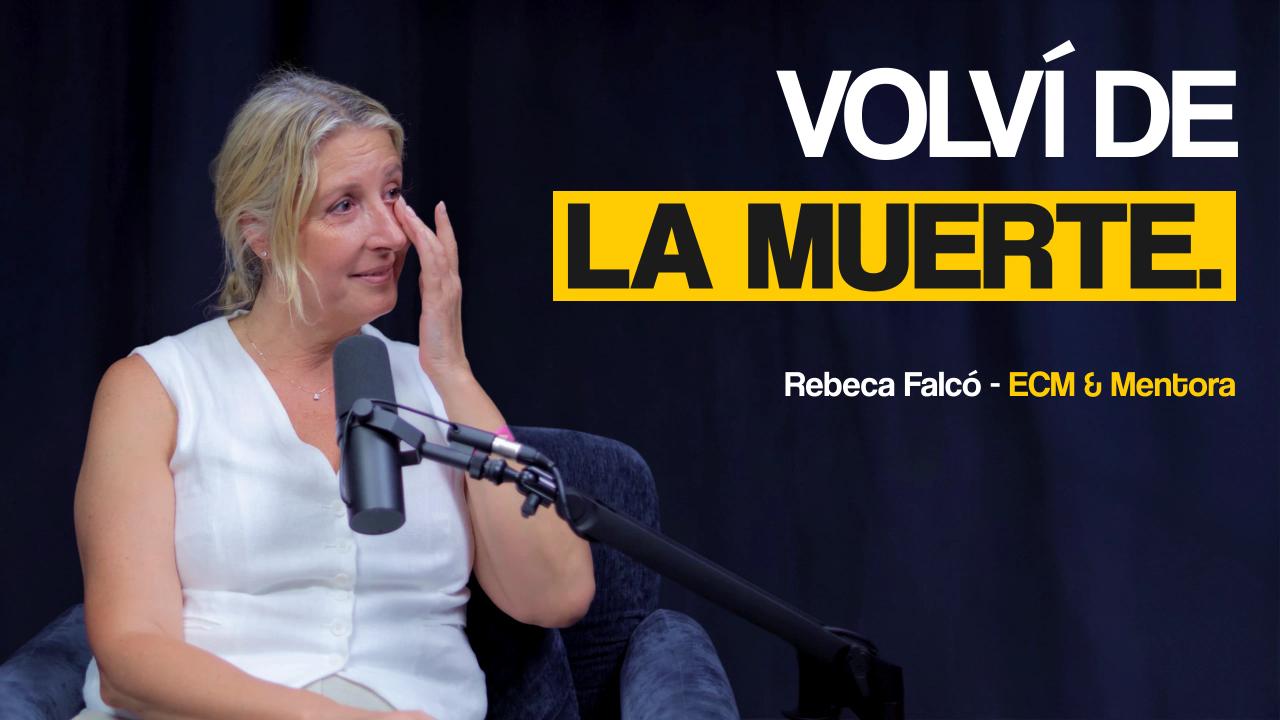 #27
Rebeca Falcó
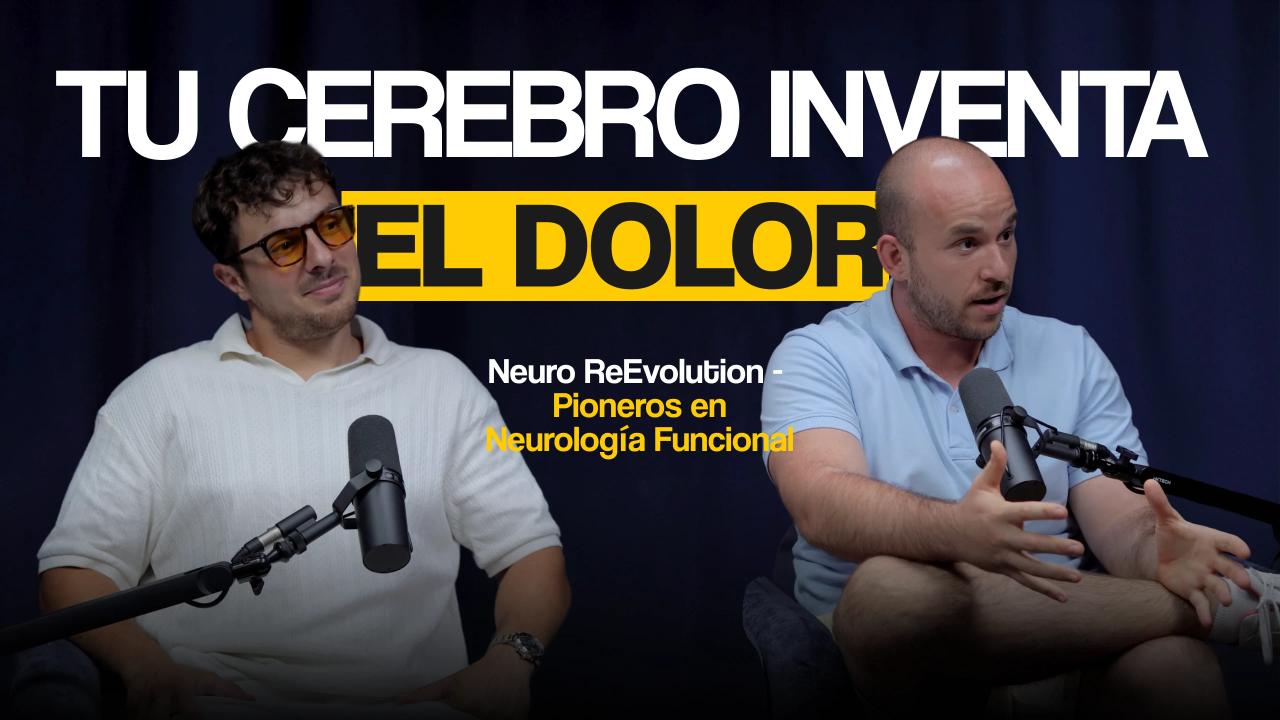 #26
Jorge Rey y Guillermo Escribano
 #25
Ignacio Perales
 #24
Alejandra Ansón
 #23
Alejandra Balbás
 #22
Carlos Blanco
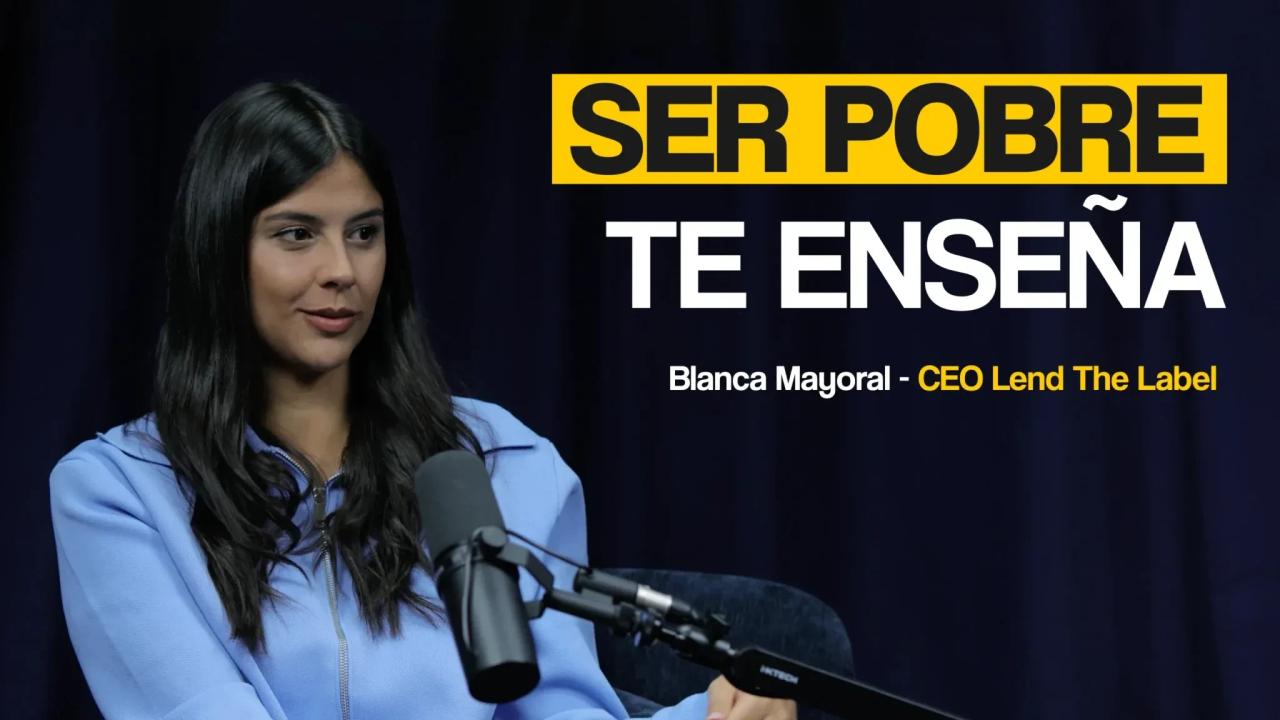 #21
Blanca Mayoral
 #20
Marjorie Haddad
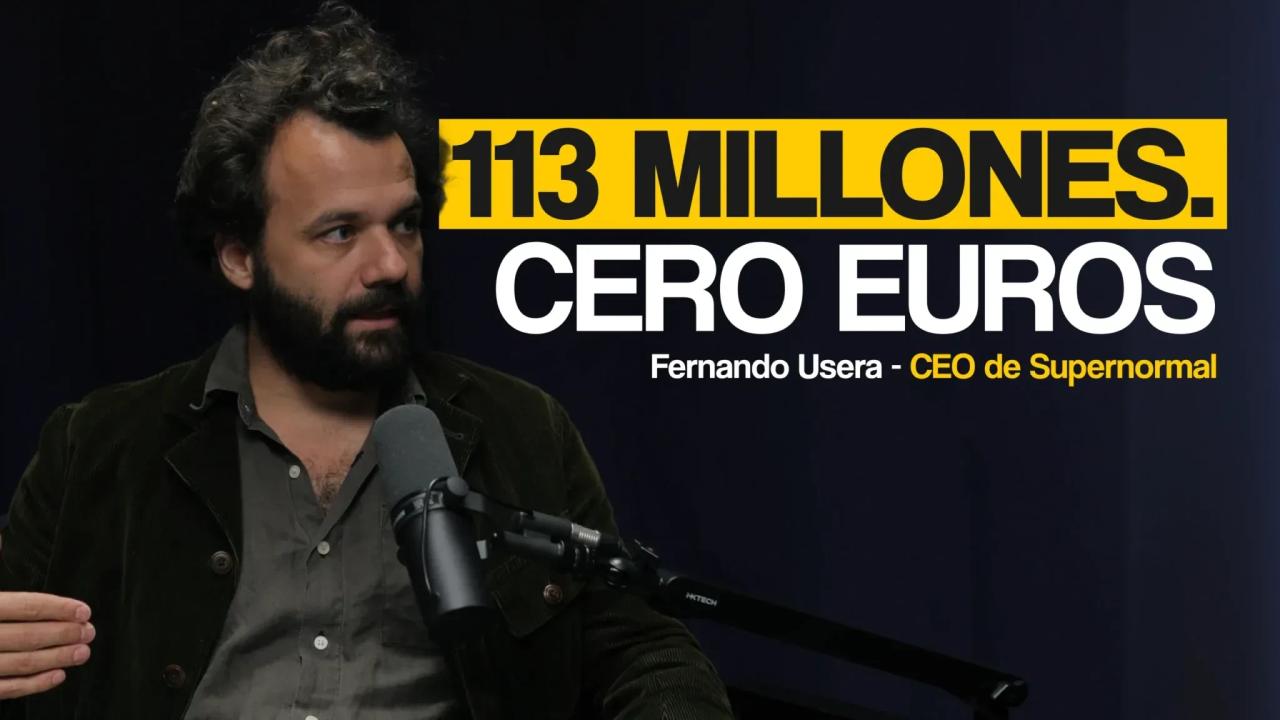 #19
Fernando Usera
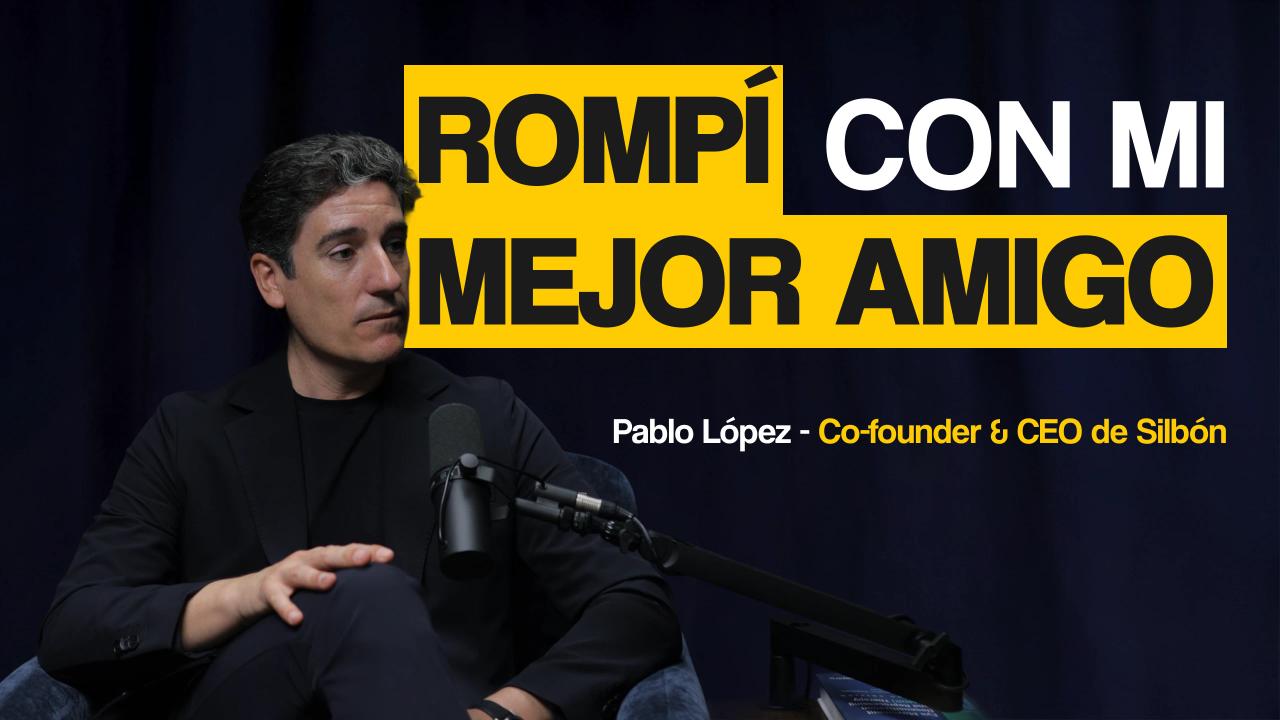 #18
Pablo López
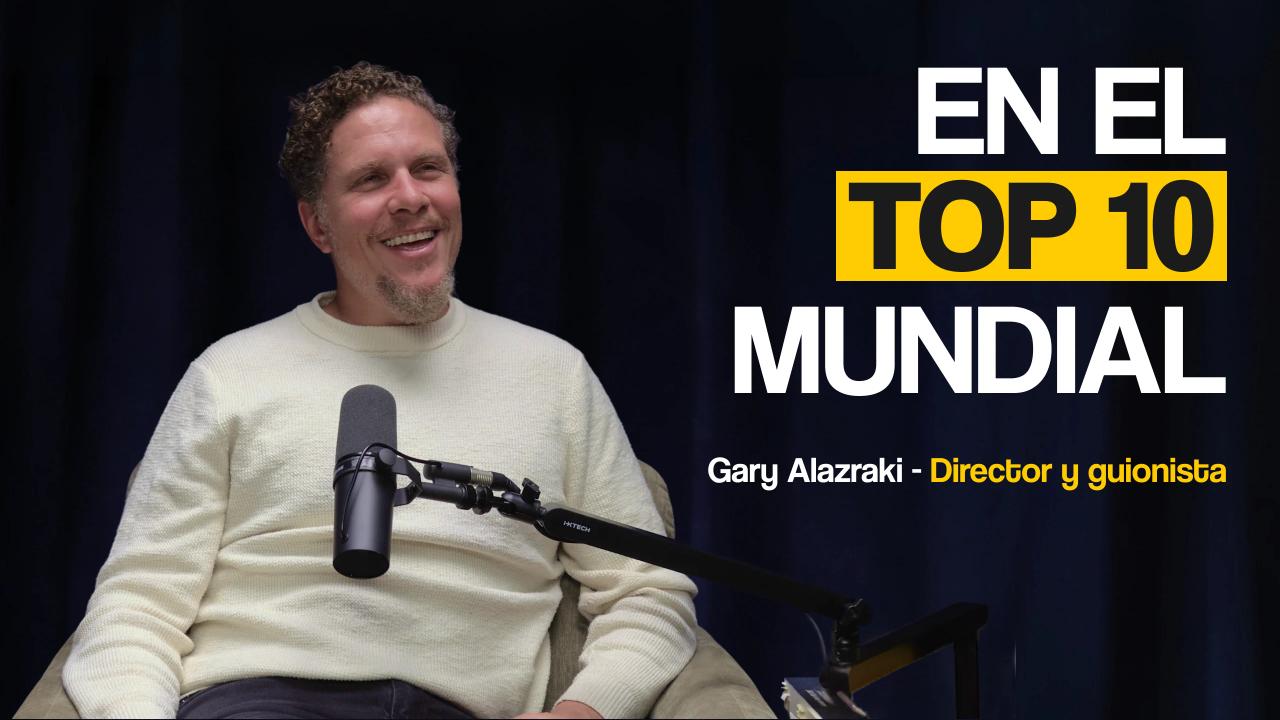 #17
Gary Alazraki
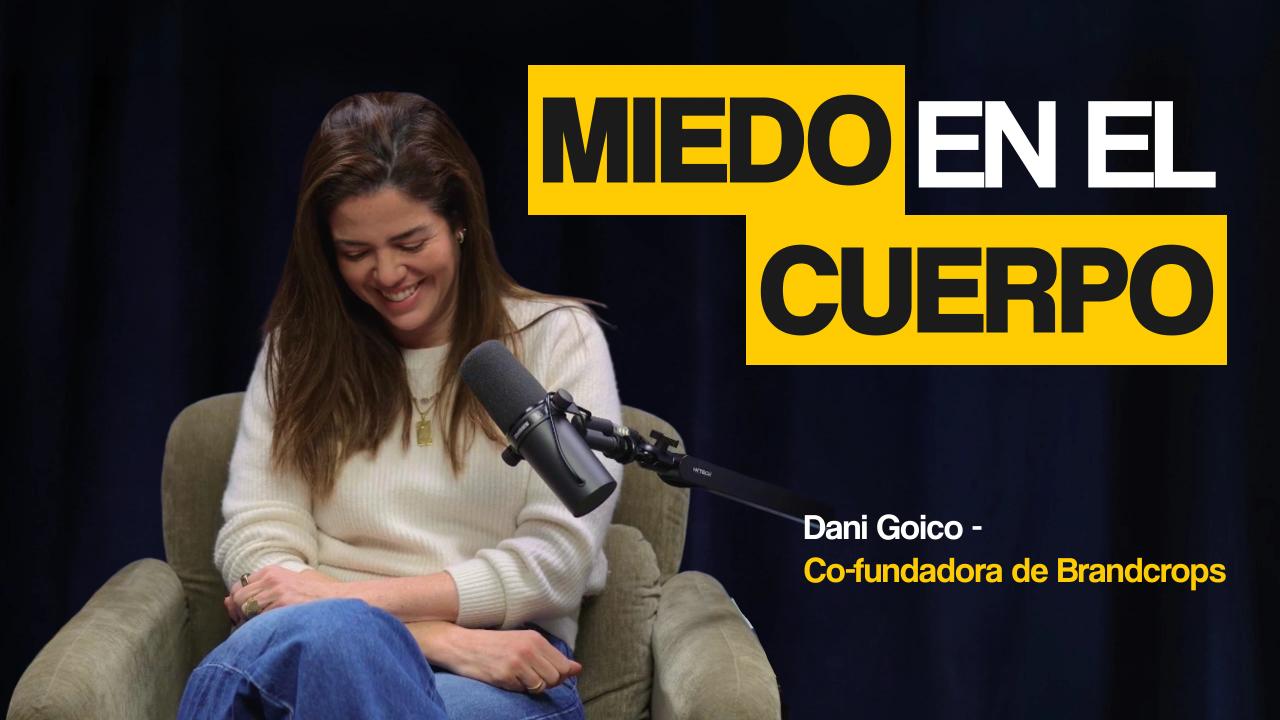 #16
Dani Goico
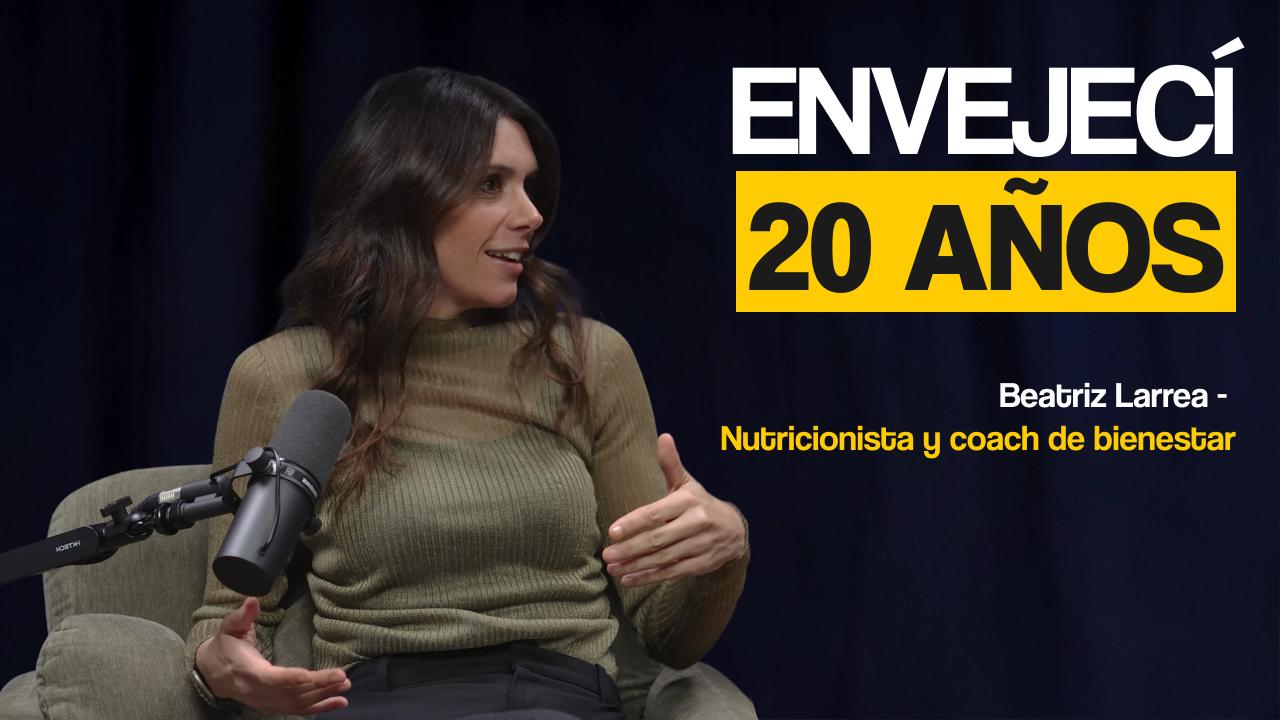 #15
Beatriz Larrea
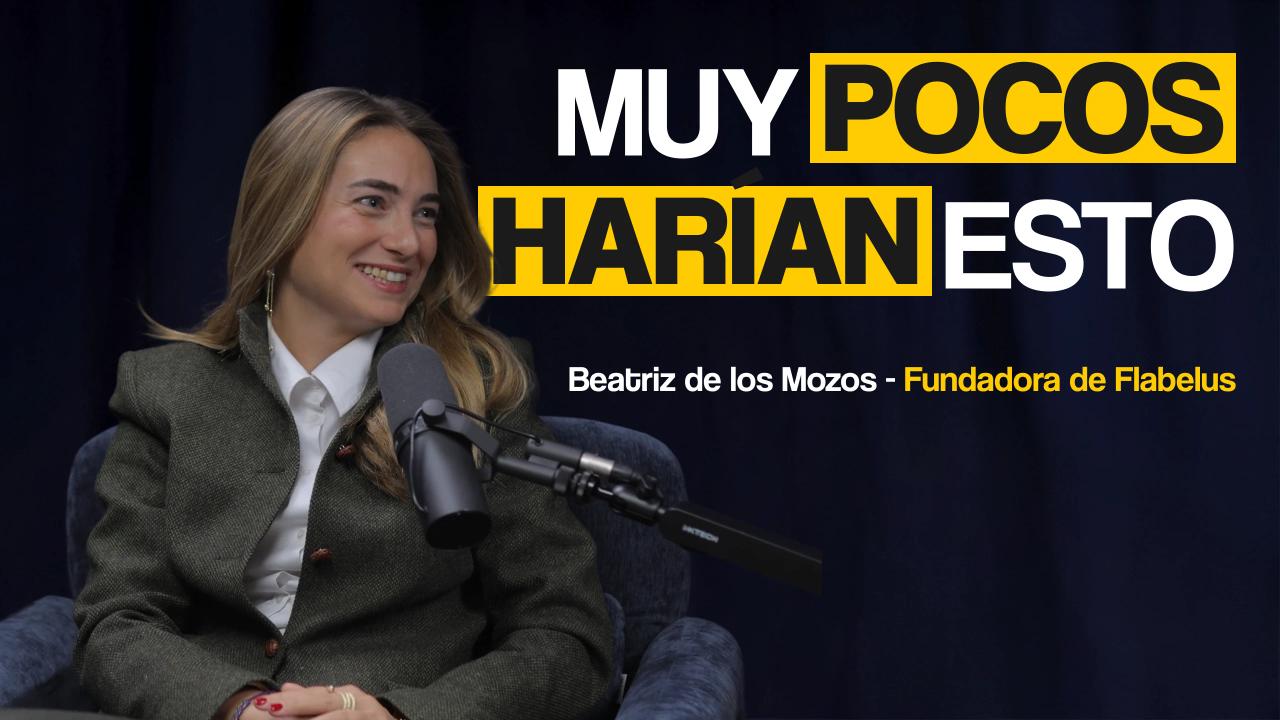 #14
Beatriz de los Mozos
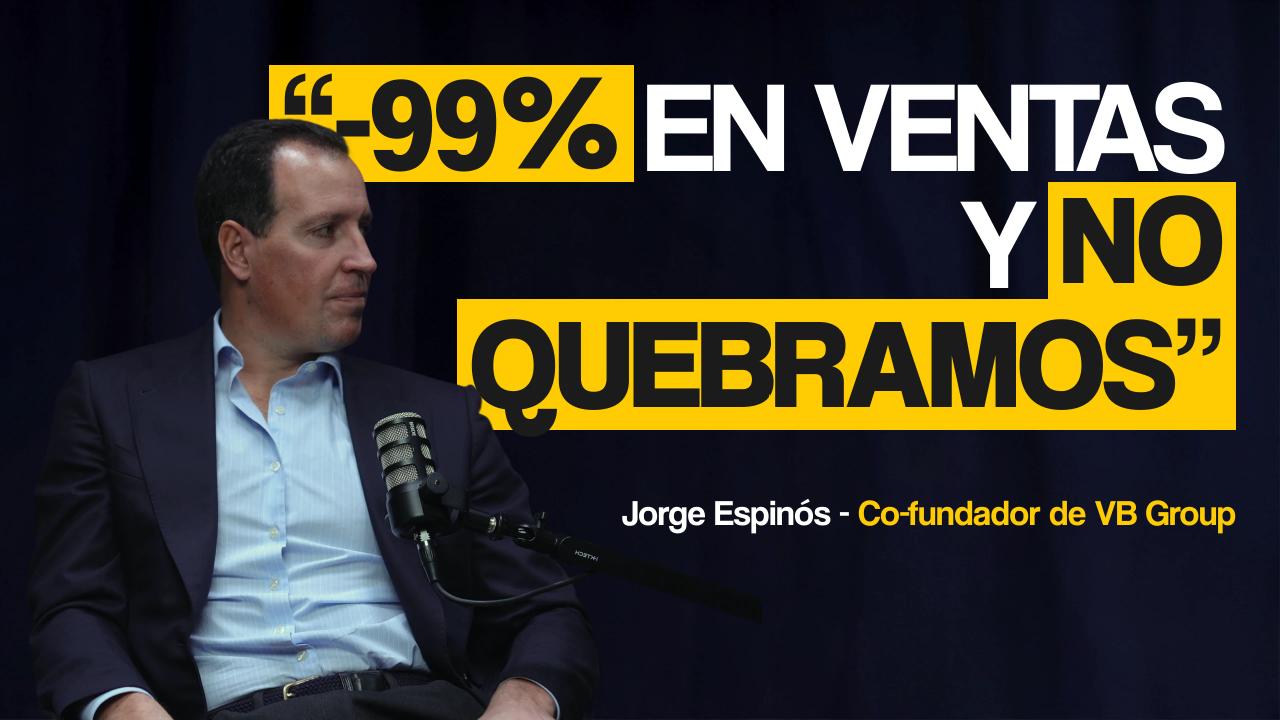 #13
Jorge Espinós
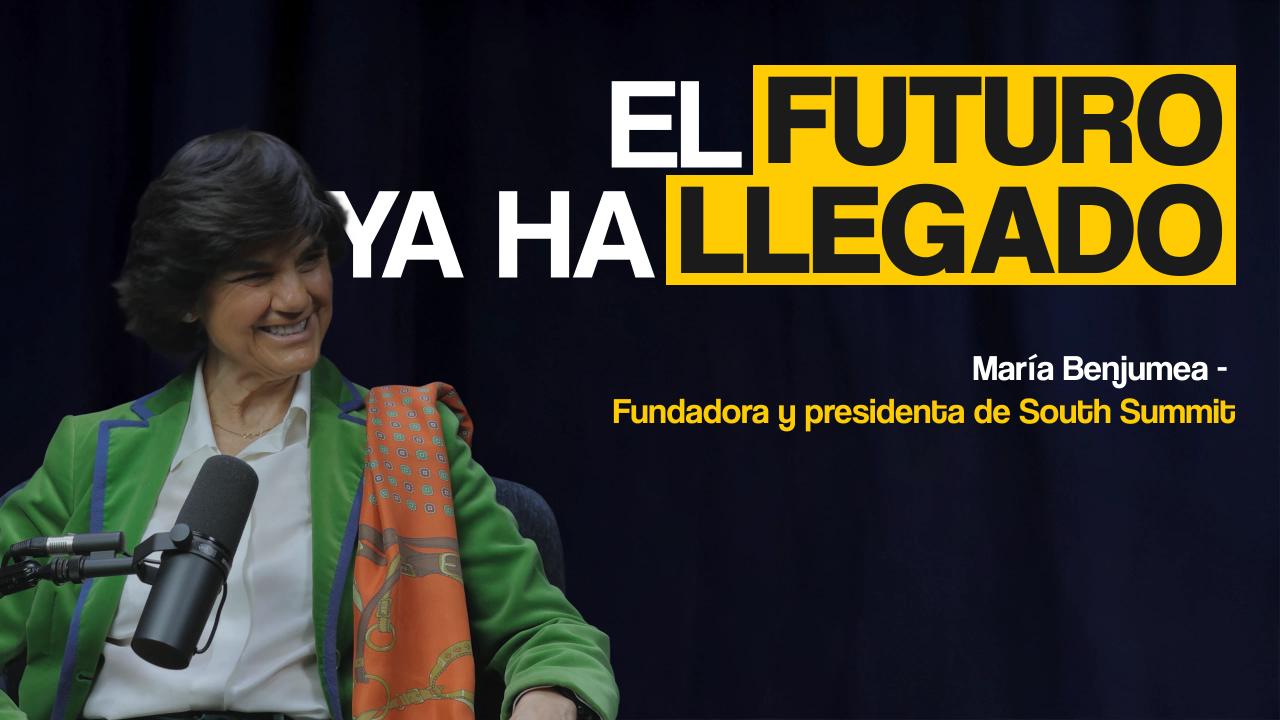 #12
María Benjumea
 #11
Álvaro & Carlos
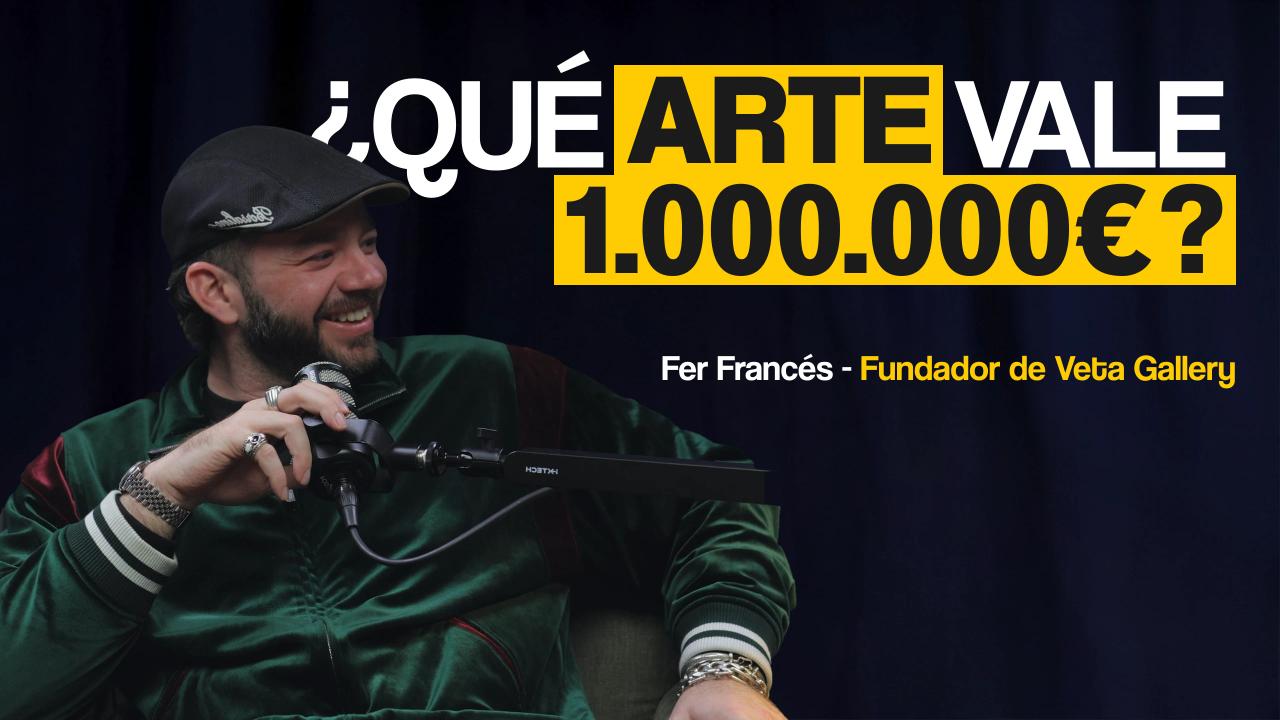 #10
Fer Francés · VETA
 #9
Álvaro & Carlos
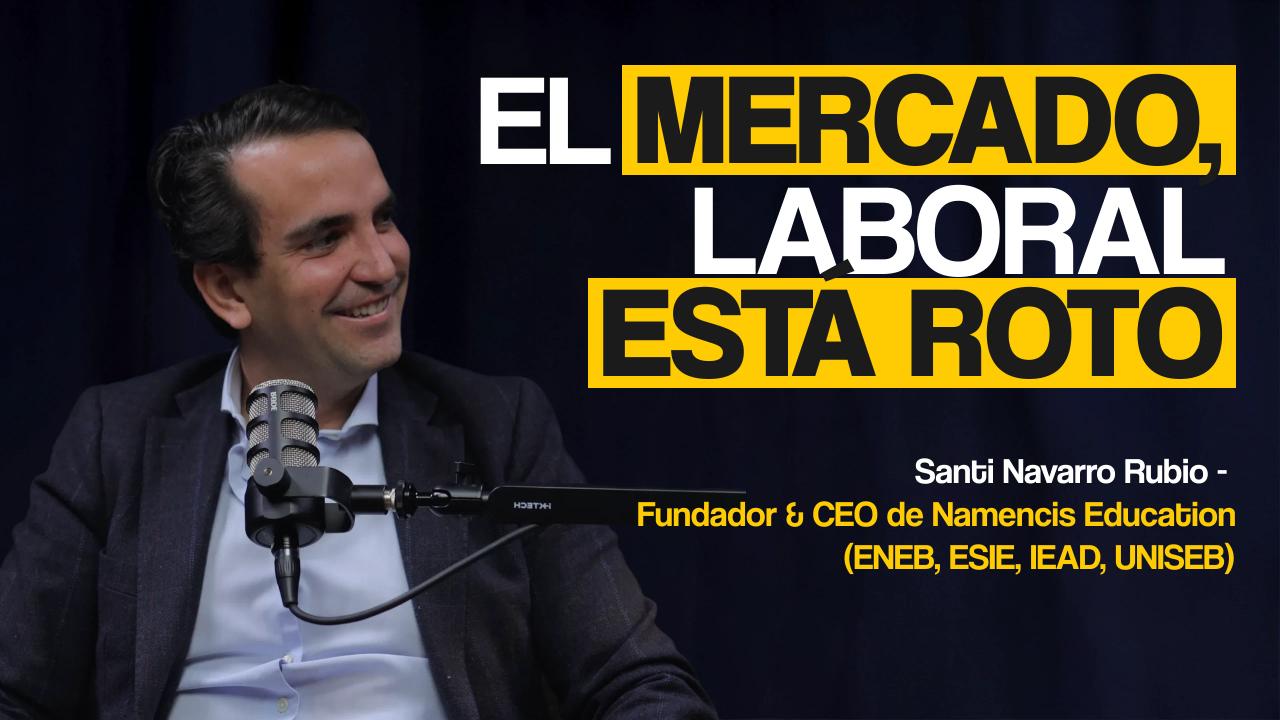 #8
Santi Navarro Rubio
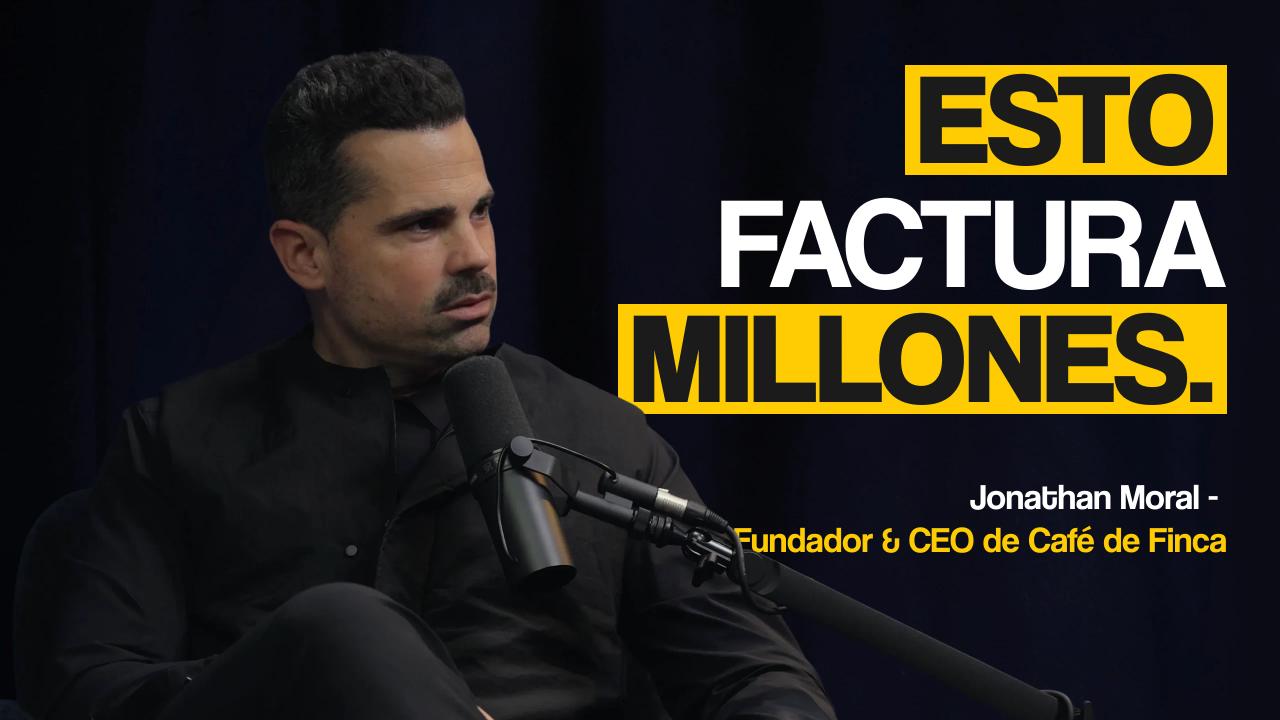 #7
Jonathan Moral
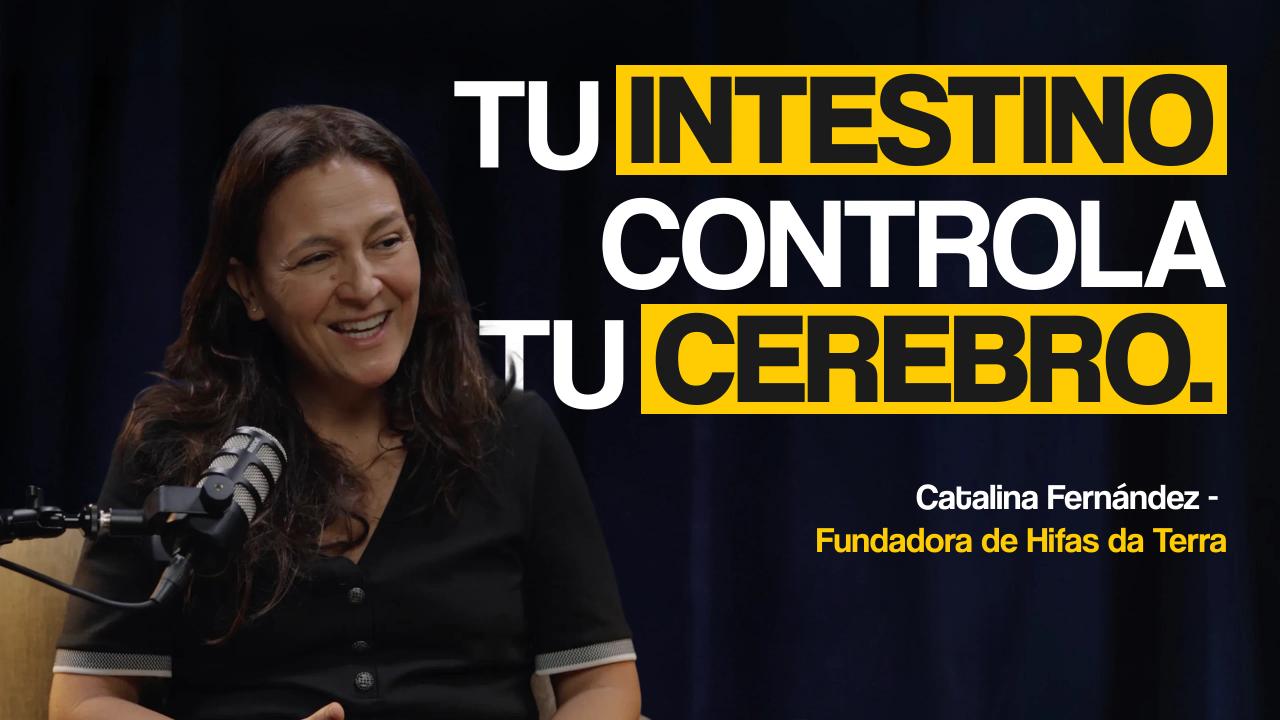 #6
Catalina Fernández
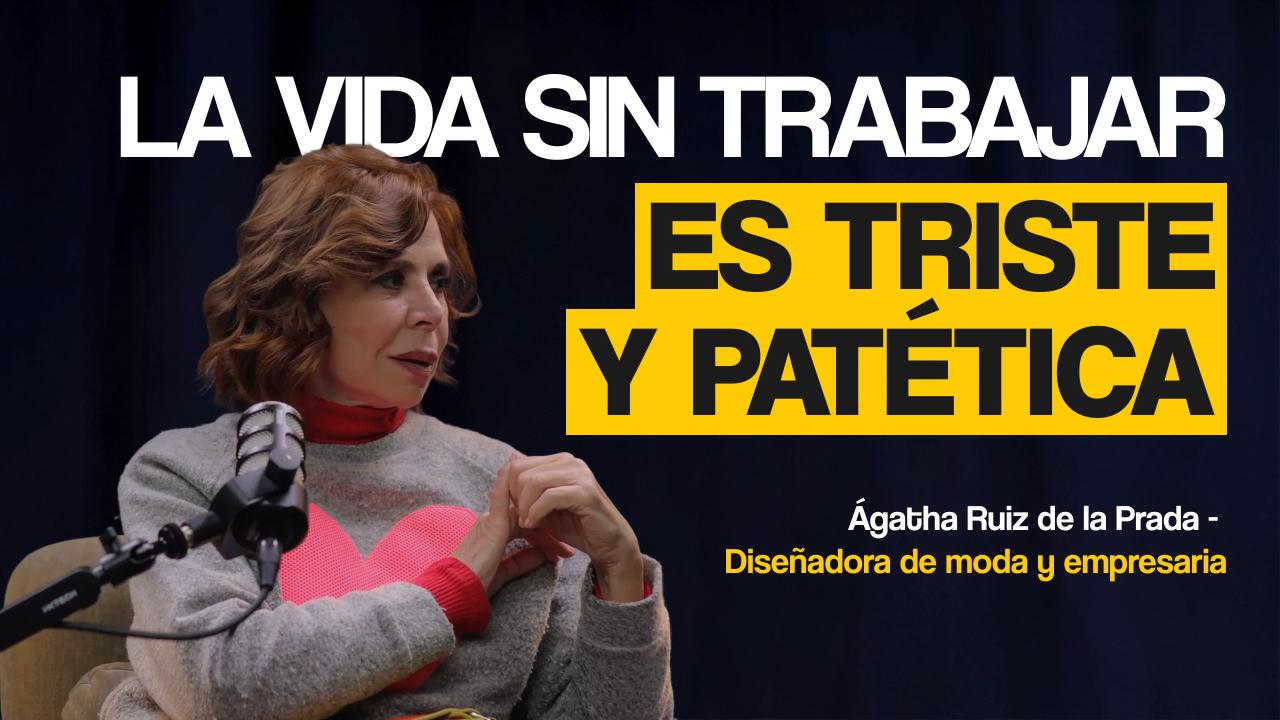 #5
Ágatha Ruiz de la Prada
 #4
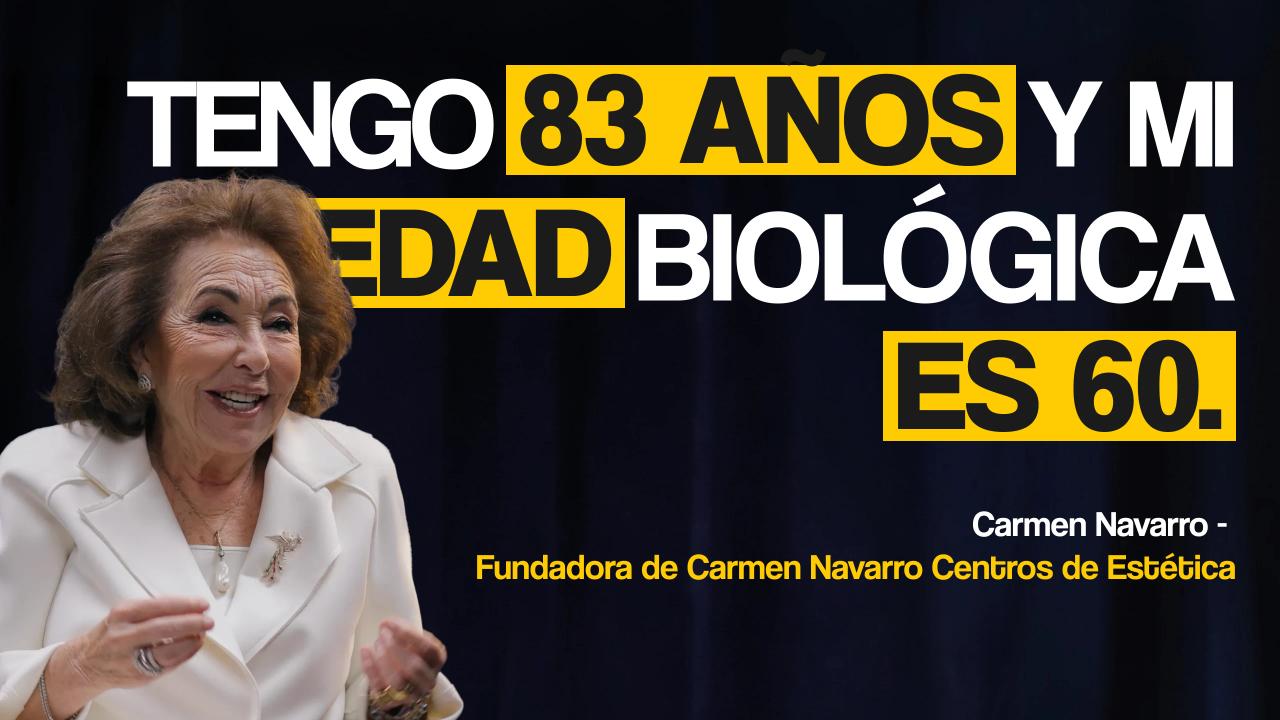
Carmen Navarro
 #3
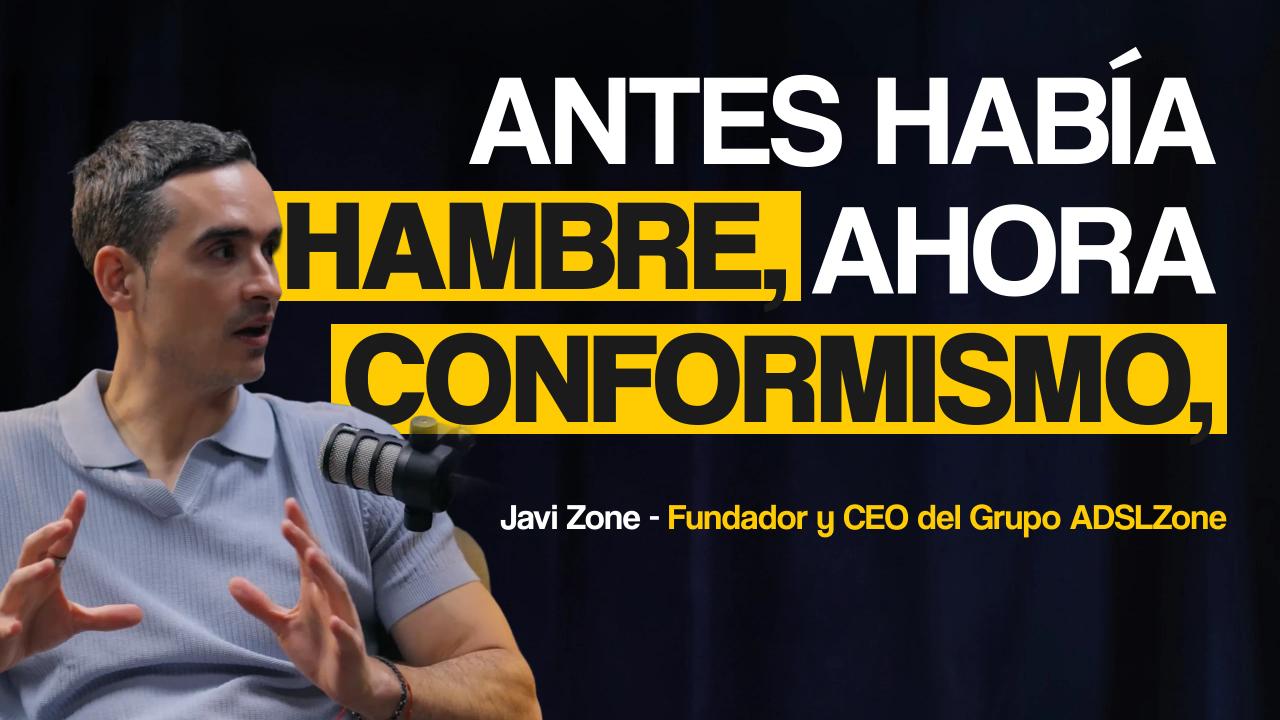
Javi Zone
 #2
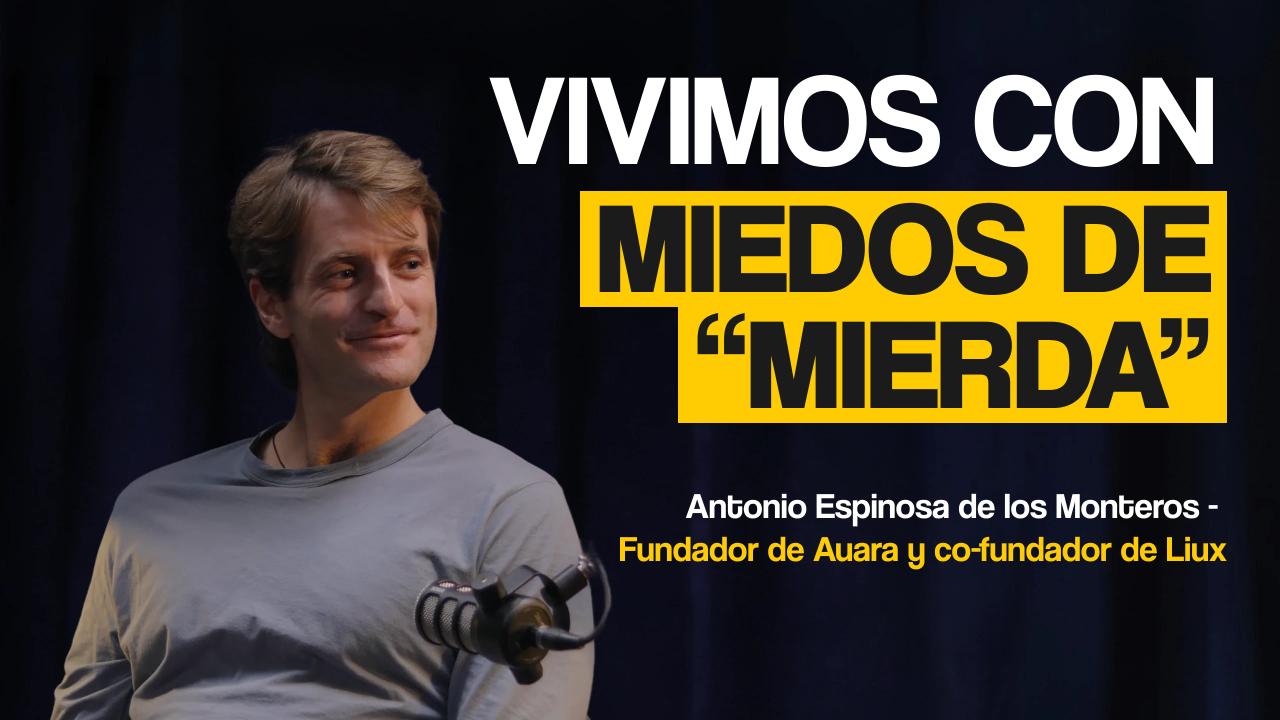
Antonio Espinosa de los Monteros
 #1